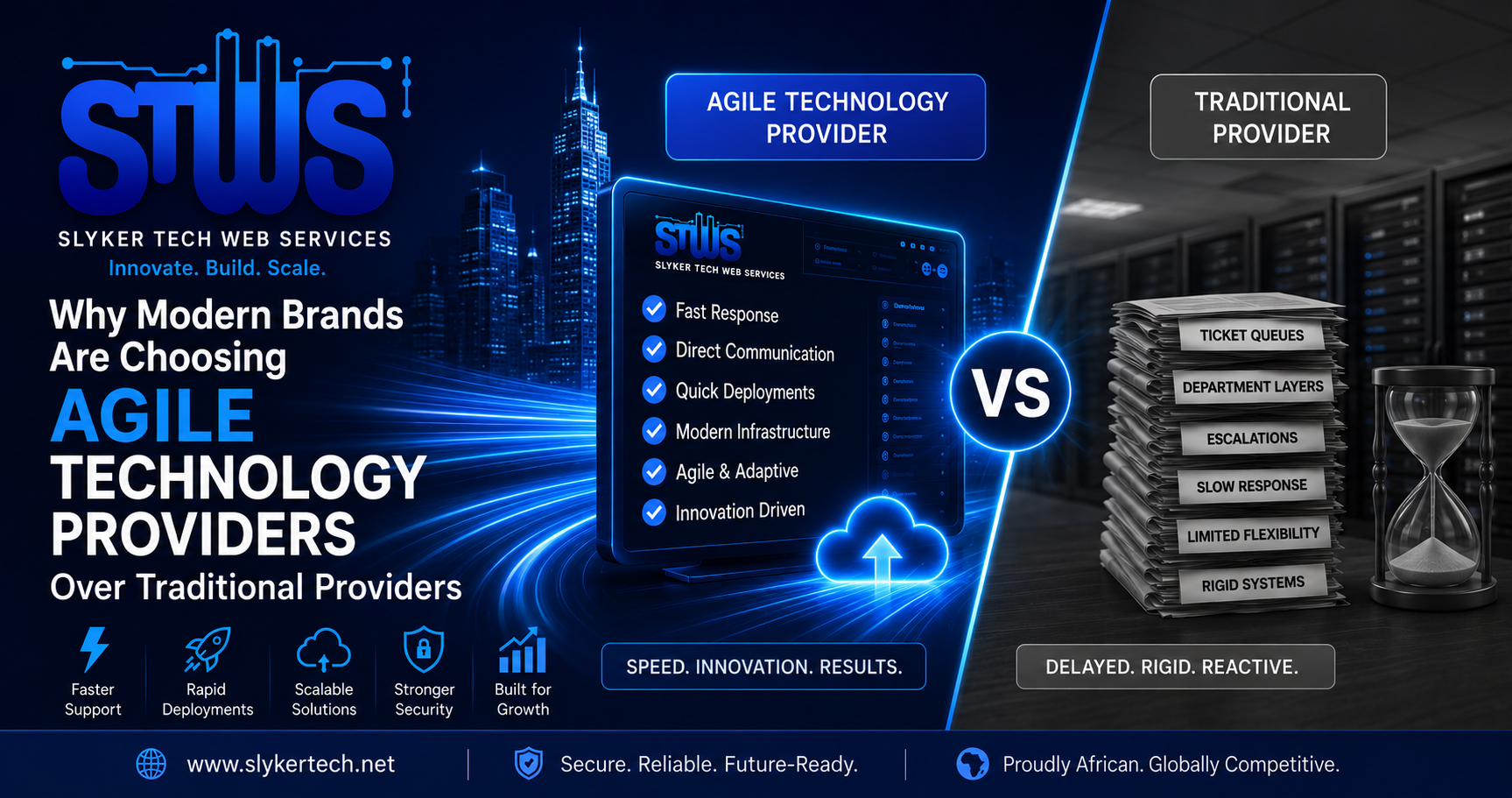
The Local Provider Advantage: How Zimbabwean Businesses Can Avoid the 15% Digital Services Tax in 2026
With the introduction of a 15% Digital Services Tax (DST) on offshore payments in 2026, Zimbabwean businesses face rising operational costs. This article explains how working with local service providers—especially for hosting and digital infrastructure—can eliminate this tax burden, improve performance, and strengthen long-term profitability.
The Local Provider Advantage: How Zimbabwean Businesses Can Avoid the 15% Digital Services Tax in 2026
Introduction
Zimbabwe is set to introduce a 15% Digital Services Tax (DST) on payments made to offshore digital service providers in early 2026. While this policy targets international digital platforms, it will significantly affect local businesses that rely on foreign services for hosting, software, and infrastructure.
For many companies, this means an automatic increase in operational costs — without any added value.
However, there is a practical and strategic alternative: working with local providers.
What the 15% Digital Services Tax Means
The DST applies to payments made to foreign digital service providers, including:
- International web hosting companies
- Cloud infrastructure providers
- SaaS platforms and subscriptions
- Digital advertising services
The impact is direct:
Every $100 paid to an offshore provider becomes $115.
This cost is unavoidable if your systems depend on external providers.
The Real Problem: Offshore Dependency
Many businesses have defaulted to offshore providers due to global brand recognition. However, this reliance comes with hidden costs:
- 15% DST on every payment
- Currency conversion losses
- International transaction fees
- Slower response times for support
- Infrastructure not optimized for local users
This creates a situation where businesses are paying more while operating less efficiently.
The Local Provider Advantage
Switching to local providers is not just about avoiding tax — it is about optimizing your entire operation.
Key Benefits
1. Avoid the 15% DST Completely
Payments to local providers are not subject to the offshore DST, immediately reducing your expenses.
2. Better Performance for Local Users
Local hosting and infrastructure reduce latency, improving website speed and system responsiveness.
3. Simplified Payment Systems
Local providers integrate seamlessly with:
- EcoCash
- Paynow
- Local bank transfers
This makes it easier for customers to transact with your business.
4. Faster and More Relevant Support
Local providers understand the Zimbabwean market and can respond quickly to issues.
5. Regulatory Alignment
Working with local providers ensures compliance with national policies and reduces legal complexity.
Cost Comparison: Offshore vs Local
| Scenario | Monthly Cost |
|---|---|
| Offshore Service ($100) | $115 (after DST) |
| Local Provider ($100) | $100 |
Annual Impact
- Offshore: $1,380
- Local: $1,200
Savings: $180 per year — per service.
For businesses using multiple services, this difference becomes significant.
Strategic Business Impact
Businesses that continue using offshore providers will face:
- Higher operating costs
- Reduced margins
- Increased pricing pressure
- Competitive disadvantage
On the other hand, businesses that adopt local providers will benefit from:
- Lower and predictable costs
- Faster service delivery
- Stronger market positioning
When Should You Transition?
The optimal time to shift is before the DST takes effect.
Early adoption allows you to:
- Avoid sudden cost increases
- Test and optimize local solutions
- Maintain stable pricing for customers
- Gain a competitive edge
Conclusion
The introduction of the 15% Digital Services Tax is more than a policy change — it is a shift in how digital business should be structured in Zimbabwe.
The question is no longer whether to go local, but when.
Businesses that move early to local providers will not only reduce costs but also build more efficient, resilient systems.
Final Thought
Choosing local providers is not just a defensive move to avoid tax.
It is a strategic decision that positions your business for sustainable growth, better performance, and long-term success.